24 November 2026
Which Flowers Are Traditionally Placed on Family Graves?
Presented by @gardenjournal88
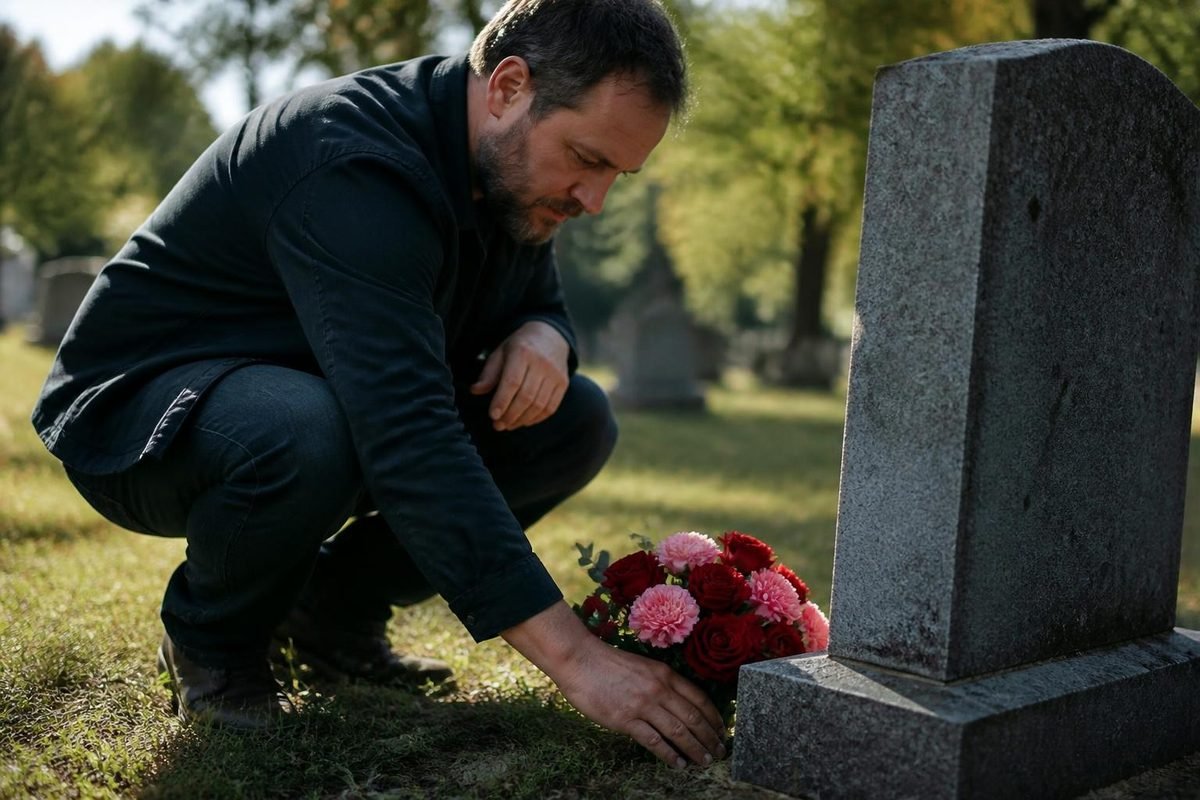
Roses, lilies, carnations and chrysanthemums are traditionally placed on family graves, though customs vary by family, faith and place. Marigolds also have a special place in Mexican Day of the Dead traditions, where they are used to honor people who have died.
Flowers often chosen for graves
Roses are a familiar choice for remembering someone with love. A single stem can feel as thoughtful as a full bouquet, and a favorite color may hold more meaning for a family than any conventional symbolism.
Lilies are often associated with funerals and remembrance. Their large blooms make a simple arrangement, although their pollen can stain clothing and stone. Removing the pollen bearing anthers can help prevent marks.
Carnations are often used in memorial arrangements and can last well as cut flowers. They come in many colors, making it easy to choose a shade that feels right for the person being remembered.
Chrysanthemums are closely linked with graves and mourning in several European countries, including France and Italy. In other places, they are enjoyed as everyday flowers, so their meaning depends on local custom.
Family and cultural traditions
In Mexico, marigolds are commonly used during the Day of the Dead to honor deceased loved ones. Families may place them on graves or on home altars alongside photographs and other offerings.
Some families return to the same flowers every year. Others bring whatever grew in a relative's garden or choose blooms that remind them of a shared place. There is no need to replace a family custom with a more formal choice.
Religious practices also differ. In Jewish tradition, visitors often leave a small stone on a grave rather than flowers. If you are visiting a grave outside your own tradition, asking a family member what is customary is a considerate first step.
How to place flowers with care
A small arrangement is often easier to tend and less likely to obstruct a neighboring grave. Before you bring flowers, check the cemetery's rules about containers, planting and the removal of arrangements.
- Choose flowers that suit the family's wishes and the season. Fresh stems, a single bloom or a modest bouquet can all be appropriate.
- Use an approved container if the cemetery allows one. Avoid glass where it is prohibited, since it can break and create a hazard.
- Place the flowers on the grave or in its designated holder, keeping paths and nearby markers clear.
- Return to remove faded flowers if you can, or follow the cemetery's guidance on when arrangements are cleared.
Choosing flowers for a visit
Think about how long the flowers will be left and what the weather is likely to be. Cut stems need water, and even a sturdy bloom will fade more quickly in heat. Some cemeteries permit artificial flowers at certain times but restrict them at others.
If several relatives visit the same grave, it can help to coordinate with them. One person might bring flowers while another tends an existing container, leaving the space neat and shared.
The most fitting flowers are often the ones that feel meaningful to the family. A quiet visit and a simple stem are enough.
Worth a look: click here